Introduction
The occurrence of primary spontaneous pneumothorax (PSP) triggered by forceful shouting or singing is rarely documented in literature.1–3 We report three cases of PSP, two following cheering at a football match and one following high-pitched singing at a concert, suggesting a possible association with loud vocal activities. While the exact mechanisms remain unclear, these cases raise awareness of this potential consequence, particularly in individuals with underlying lung vulnerabilities.
Case Summary
Case #1
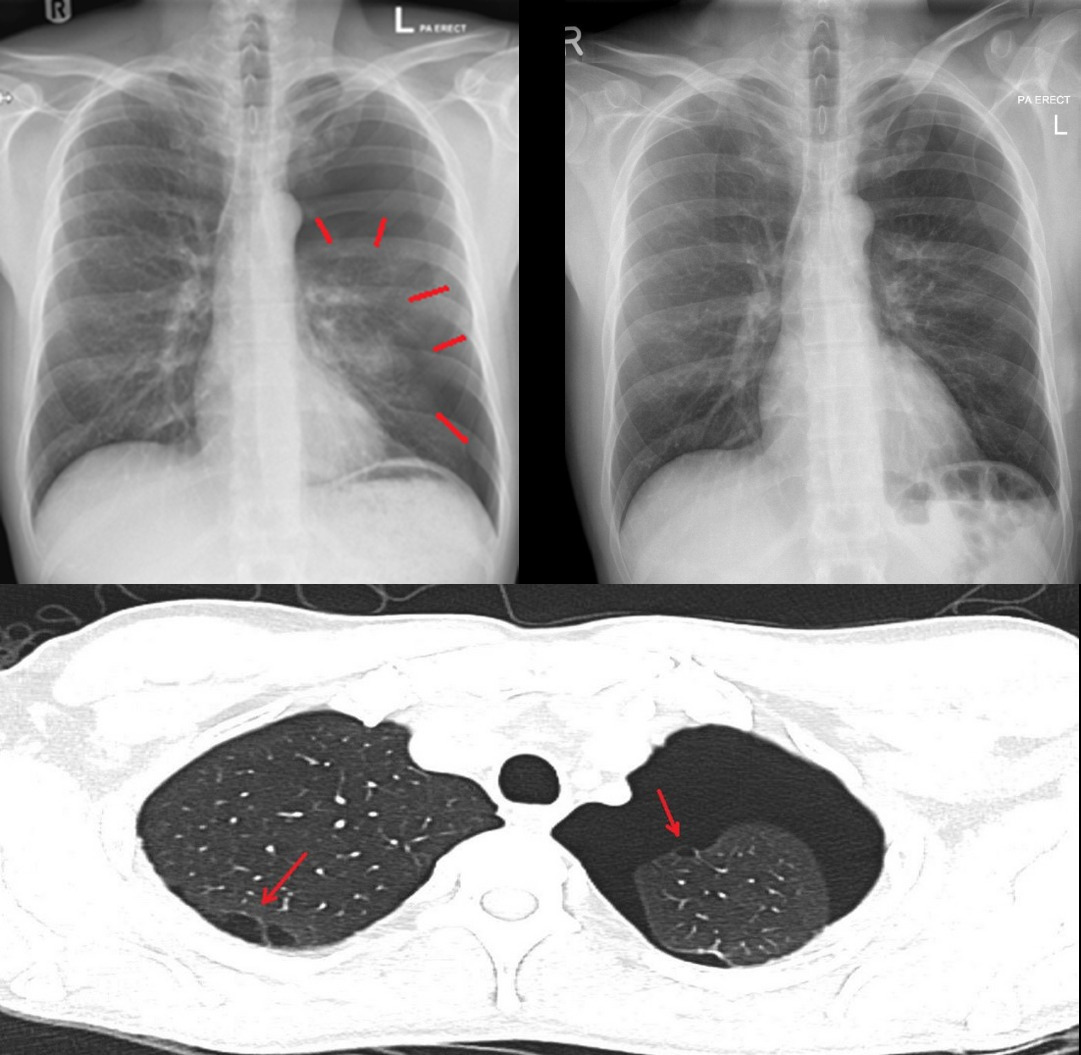
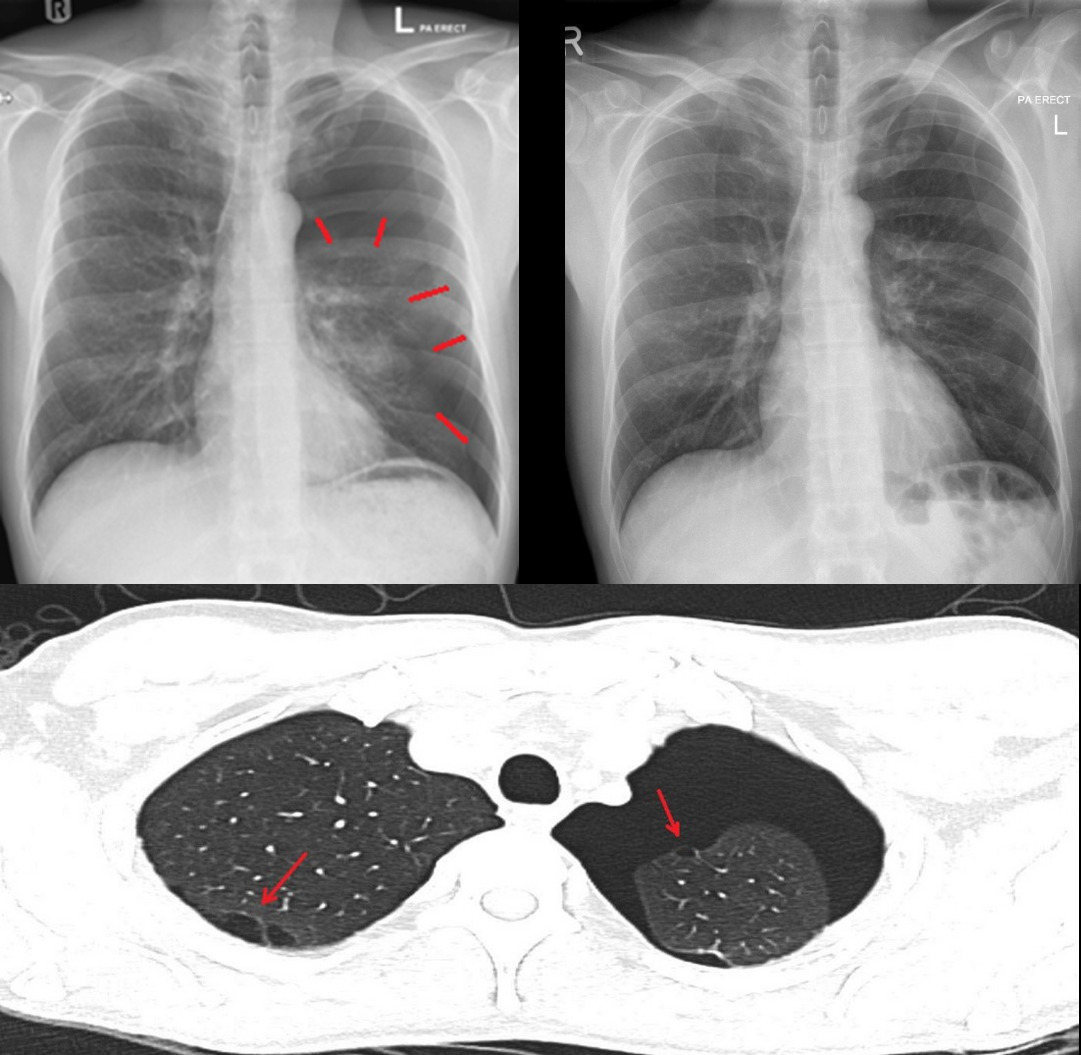
A 42-year-old sales manager presented with chest pain and difficulty breathing after cheering intensely during a football match (Argentina’s 2-0 victory against Mexico in the 2022 FIFA World Cup!). He was a heavy smoker and reported using both conventional and electronic cigarettes. He had a history of PSP one year prior, which was treated with chest tube drainage. Chest X-ray confirmed a large left-sided pneumothorax, requiring insertion of a left-sided chest tube under local anesthesia (Figure-1). A high-resolution CT scan showed bilateral apical and posterior segmental bullae in the upper lobes (Figure-1).
Due to the recurrent nature of the left SP, video-assisted thoracoscopic surgery (VATS) was performed. Foci of ruptured bullae at the apex were excised along with near-total parietal pleurectomy and abrasion of the remaining pleural patches from the lower hemithorax were performed.
The postoperative course was uneventful. He was discharged from the hospital two days later. Histopathological examination of the pulmonary wedge showed bullae with vascular congestion, but no granulomas or malignancy.
Case #2
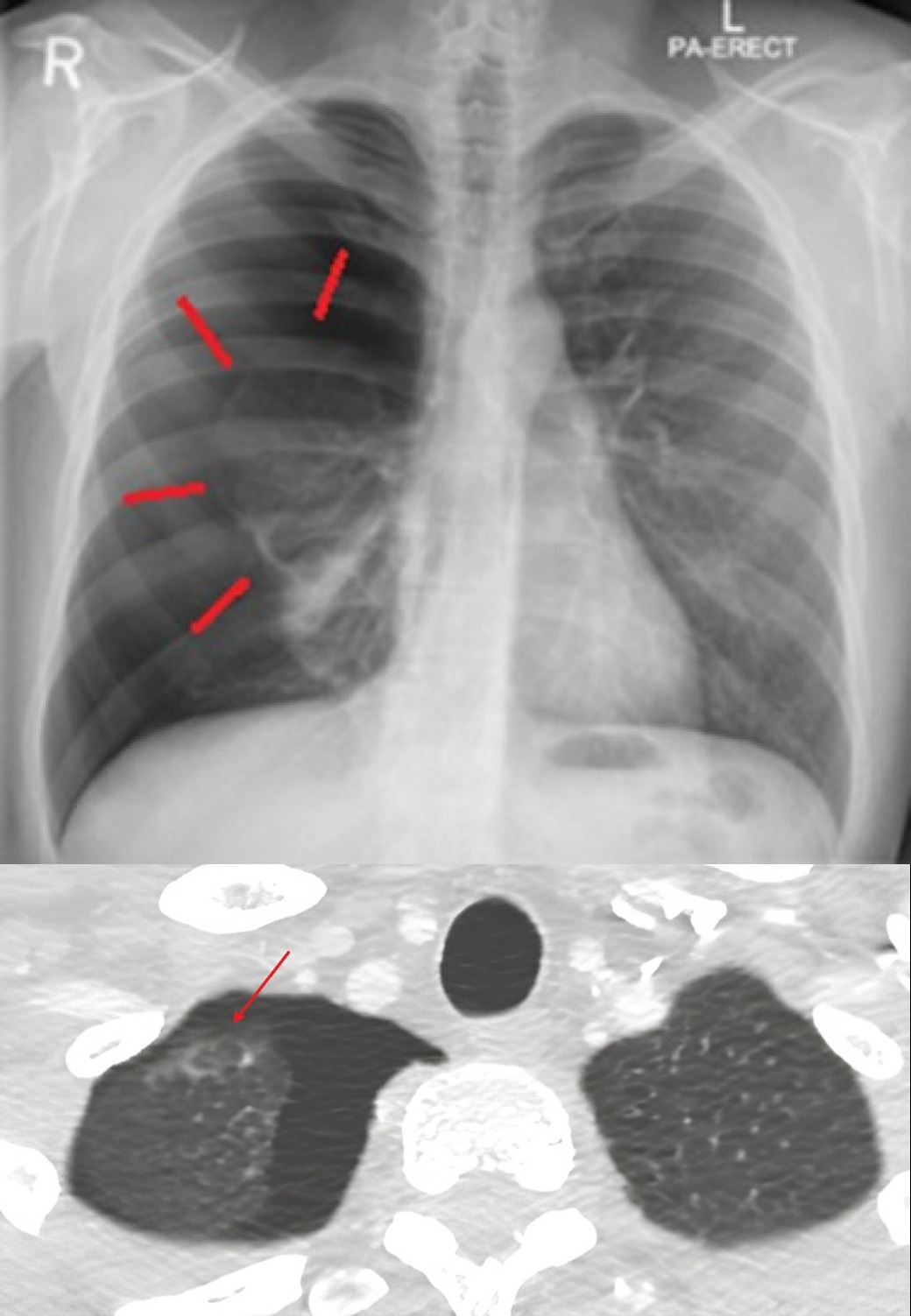
A 31-year-old male airways cabin crew member presented to the emergency department (ED) with right-sided chest pain and shortness of breath approximately 10 hours after cheering in the December 2021 Arab Football Cup Final. Two years ago, he had a chest tube drainage for right-sided traumatic pneumothorax. He was a non-smoker.
Chest X-ray revealed a large right-sided pneumothorax (Figure-2). High-resolution CT scan showed right apical pulmonary blebs (Figure-2).
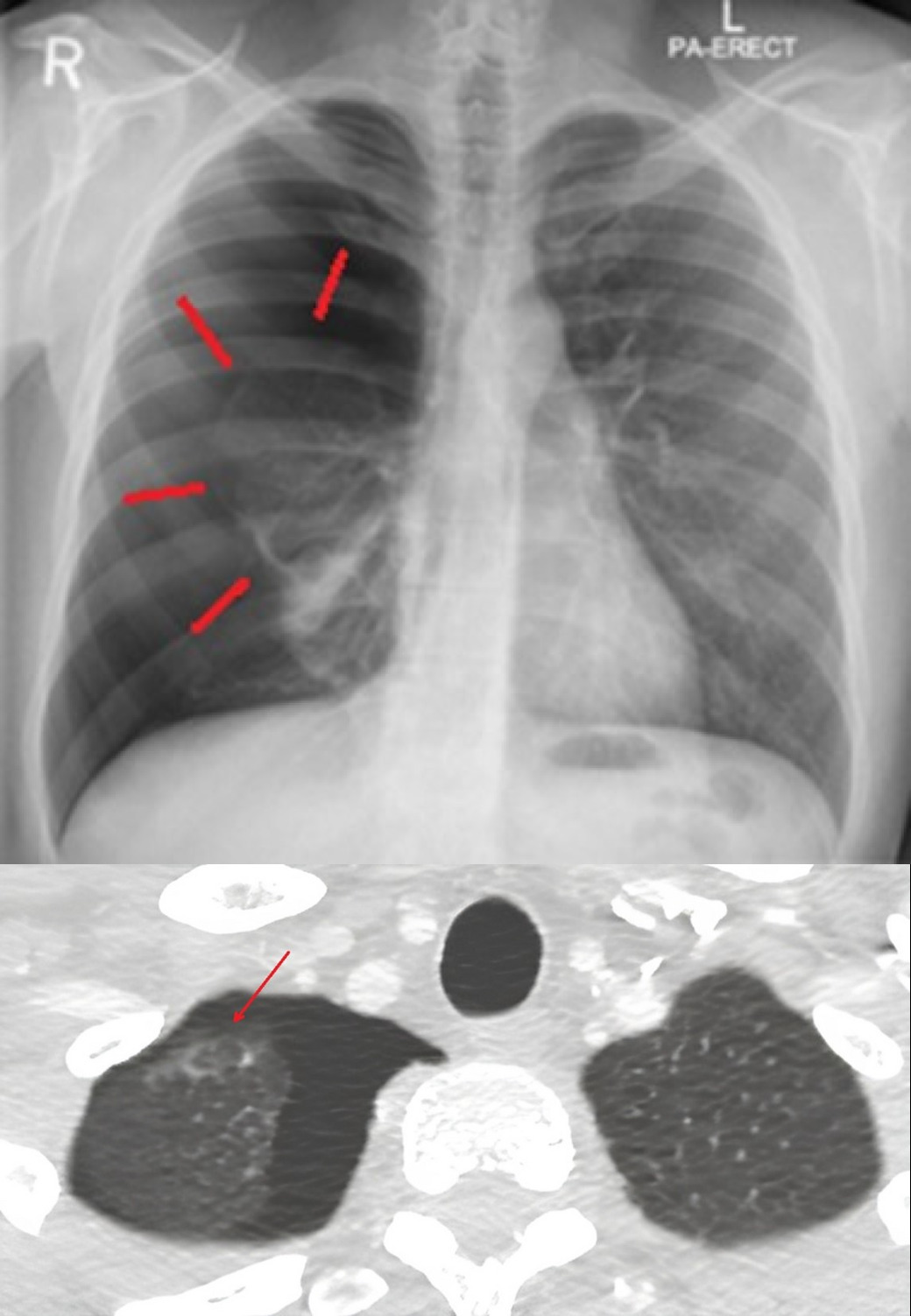
Due to the recurrent nature of the right SP, VATS was performed. Where the apical blebs were excised and a near-total parietal pleurectomy was performed. The postoperative course was uneventful, and the patient was discharged on the third day. Histopathological examination of the pulmonary wedge revealed emphysematous bullae.
Case #3
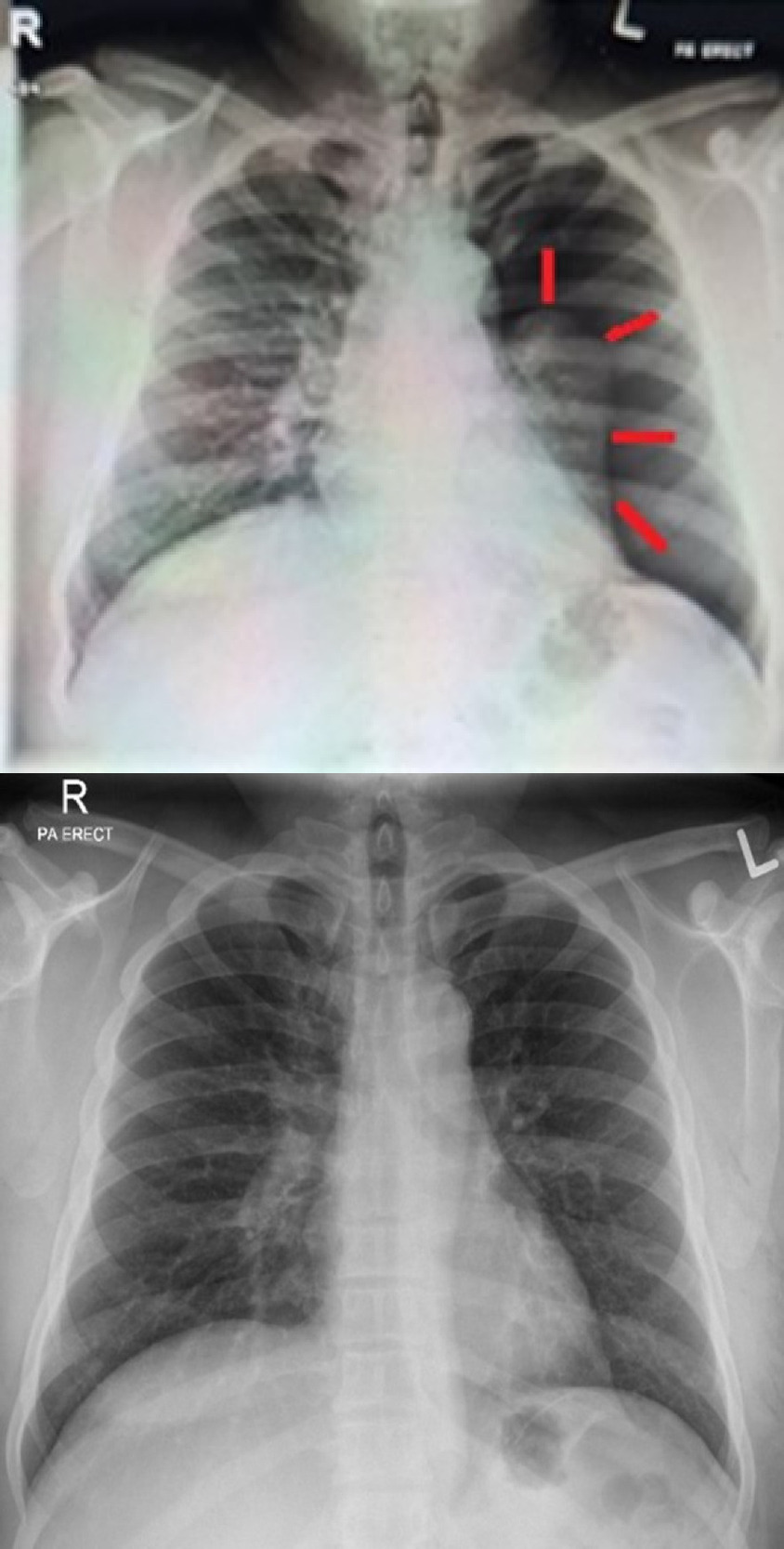
A 38-year-old male singer presented to ED with sudden left-sided chest pain and breathlessness, after performing high-pitched songs in a loud concert environment. A chest X-ray revealed a large spontaneous pneumothorax on the left side (Figure-3). A 14-French chest tube insertion successfully re-expanded the collapsed lung. A high-resolution CT scan performed after lung re-expansion confirmed the absence of underlying bullous disease.
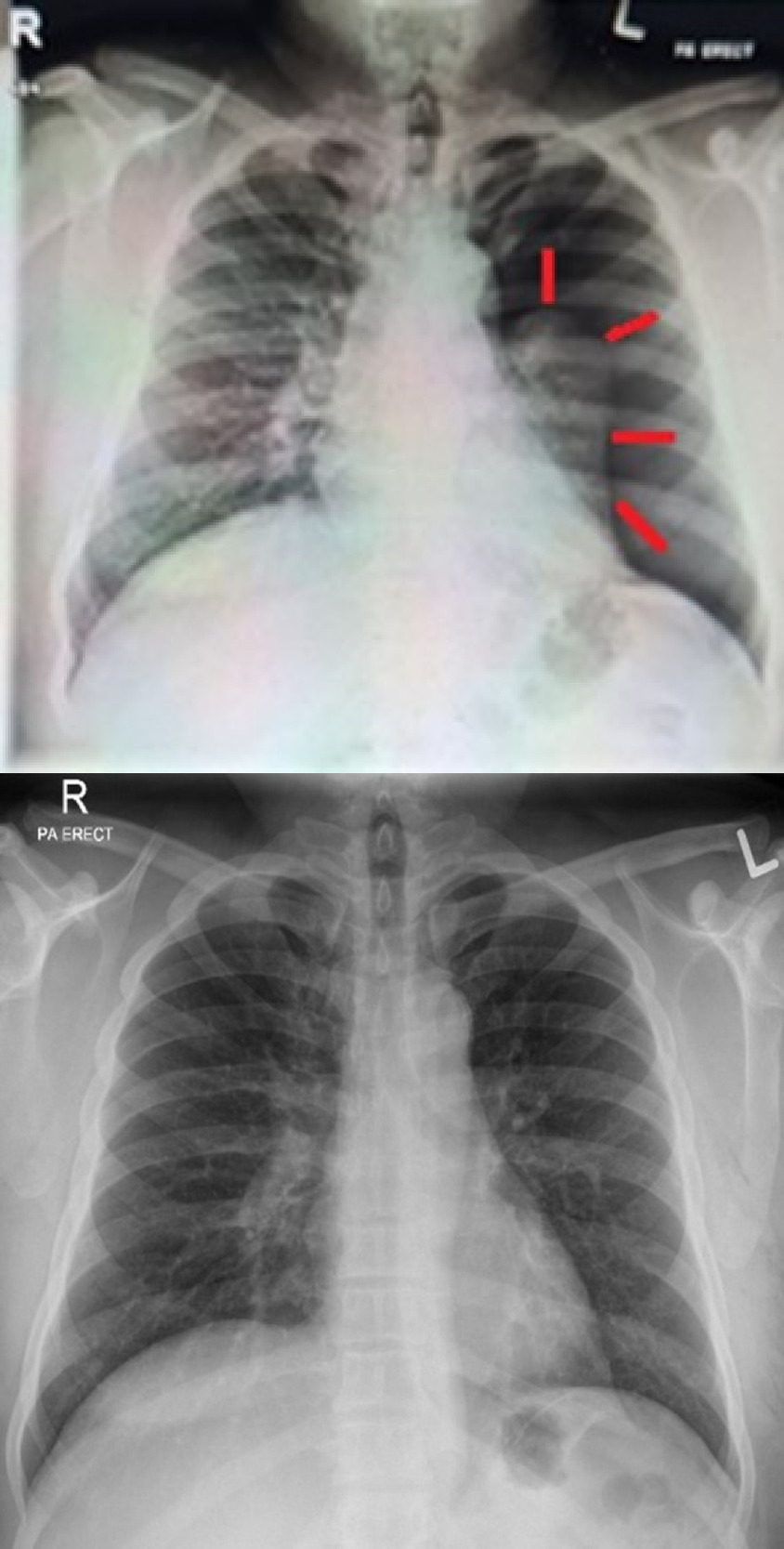
After cessation of the air leak the tube was removed and the patient was discharged home (Figure-3).
Discussion
By definition, patients with PSP lack clinically evident lung disease. However, high-resolution CT scans often reveal surface blebs or emphysema-like changes (ELCs) in over 60-90% of cases.4 It is logical to assume that a high trans-pulmonary pressure gradient between the alveolar air and the pleural space could trigger the rupture of these weakened areas, resulting in PSP. Such damaging pressure gradients could be generated internally from very loud vocal activities or externally from exposure to a loud sound energy source.
We propose the term “Vociferous Pneumothorax” or “Acoustic Pneumothorax” to specifically describe PSP triggered by loud vocal activities like cheering or singing. The term “vibro-acoustic disease” (VAD) already exists for lung damage caused by repetitive exposure to low-frequency (≤500 Hz) high-intensity (≥90 dB) noise.5
Possible Mechanisms
Vociferous activity & PSP
While most PSP cases involve no strenuous activity, few reports link PSP to loud vocal activities.1–3 Although there are no studies describing the levels of airway pressure generated during extreme vociferous activities like those commonly observed at football matches and concerts. It is known that the maximum exhalation pressure generated by Diaphragm and expiratory muscles for females and males, is around 44 to 88 mmHg (59.8 - 119.6 Cm H20), respectively.6
The presented cases point towards a possible link between the strenuous vocal activity and PSP. The internal pressure generated by repetitive intense cheering & singing, might generate high internal pressure volleys which can exceed the threshold for rupture of weakened foci in the lung, in susceptible individuals.
External Sound Energy and PSP
When exposed to sound, all objects vibrate, reaching its peak at a specific frequency, called the “resonance frequency”. The human respiratory system has a resonance frequency, typically around 25 Hz for men and 33 Hz for women.7
Exposure of the lungs to sound waves at its resonance frequency can cause damaging pressure variations at the interface between alveolar tissue and air (materials of different densities).
While literature largely lacks studies on the impact of external acoustic energy and pulmonary damage, extensive research exists in the domain of blast injuries. Direct mechanical damage to the alveolar septae due to the high pressure (>40 psi) compression/decompression of blast energy is known to cause pneumothorax.8 It is conceivable that repetitive low-frequency, high-energy sound bursts could mimic mini-blast injuries affecting the lungs. Animal models suggest that besides direct mechanical damage, blast sounds can induce hemorrhage-dependent oxidative stress with lipid peroxidation and antioxidant depletion in the exposed lungs.9 This observation opens the possibility of VAD playing a role in PSP, including Vociferous Pneumothorax.
Interestingly, reports do exist of exposure to external loud sounds, such as by standing near a loudspeaker, while quietly attending a rock concert, or listening to a high-powered bass music box in a car can initiate PSP.10
Combined effects
The cases presented here provide an intriguing example of a possible link where Internal oscillatory movements generated by shouting, and Vibro-acoustic external impact on the lungs might meet at a “sweet-spot” of a damaging “resonance frequency,” leading to lung laceration and pneumothorax.
Conclusion
These cases highlight the potential association between vociferous activities, surround sounds and PSP in vulnerable individuals. While the exact mechanisms remain unclear, our findings suggest the importance of awareness among individuals at risk, such as singers and passionate sports fans. Additionally, medical personnel at large gatherings should be aware of this potential consequence to ensure prompt diagnosis and management.
Patient consent statement
All patients have provided written consent for publishing their cases anonymously.